
Broth Breads
The Flavorful Future of Dough
A New Twist on Comfort Food
Bread has always been the ultimate comfort food flour, yeast, salt, and water transforming into something magical. But what if that “water” could be more than just hydration? Enter broth breads, stepping into the spotlight, where bakers substitute regular water with nutrient-rich bone broths or vegetable stocks. This technique is not new, grandmothers across cultures have stirred leftover soups into their doughs for centuries but today’s artisan bakers are reviving it with purpose. The result? Loaves that carry deeper flavor, improved texture, and even a nutritional boost. Imagine sourdough with subtle umami notes or a dinner roll that feels almost like a meal in itself. In the modern bakery world, where innovation often collides with tradition, broth breads stand out as both creative and nostalgic. They answer the call for wholesome, nutrient-packed foods without sacrificing indulgence. And in an era of mindful eating, this small switch could be the next big thing.
How Broth Changes the Bread
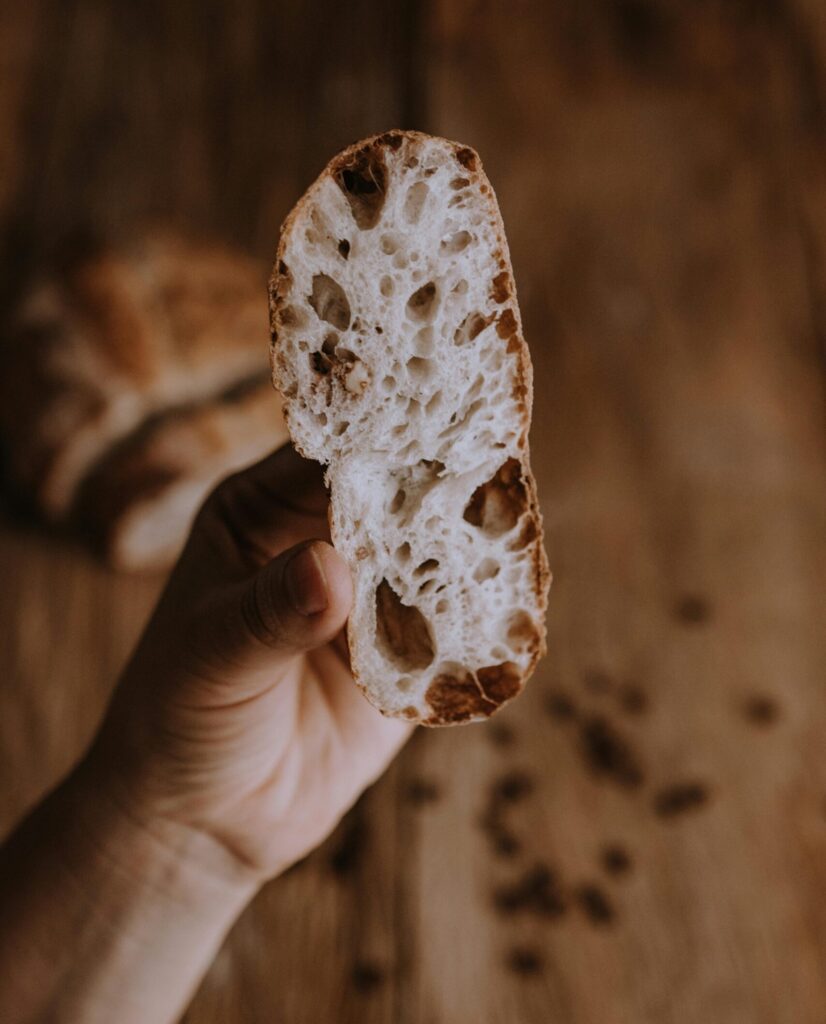
Substituting broth for water might seem like a small change, yet the effects are remarkable. Bone broth, chicken stock, or vegetable broth enhances bread with collagen, gelatin, electrolytes, and minerals, all of which affect flavor and texture. Bakers observe softer crumbs, deeper color, and a hint of savoriness that enhances even a basic sandwich loaf.
Practical Considerations for Bakers
Certainly, there are realistic factors to consider. Salt concentrations in broths require close supervision, as they can disrupt dough fermentation. Homemade broth is perfect, not only for taste but also for managing additives and sodium. Another factor to consider is shelf life: because broths have nutrients that nourish not only yeast but also bacteria and mold, broth breads might deteriorate a bit more quickly. Clever bakers address this by utilizing suitable storage techniques and, at times, incorporating same-day freshness as a key aspect of their artisanal appeal.

The Future of Bread
Broth breads are fascinating because they connect tradition with modern food trends. Centuries ago, frugality inspired cooks to reuse leftover soup stock in breads. Today, it’s the quest for flavor-forward baking and nutrient density. It’s the same practice just dressed in contemporary health-conscious language.
From a bakery business perspective, broth breads present a brilliant opportunity. They can be marketed as “gut-friendly, protein-enriched, and packed with real flavor.” Imagine a rosemary & chicken broth focaccia, a beef broth sourdough boule, or a vegetable broth multigrain sandwich loaf. These aren’t just breads, they’re stories in edible form, appealing to food lovers who crave both taste and meaning in what they eat.
In a world where customers constantly ask, “What’s new?” Broth breads are a compelling answer. They’re rustic yet innovative, humble yet gourmet. And for bakers, they’re a way to stand apart in a competitive marketplace without investing in exotic ingredients, just a clever swap in hydration.
Broth breads prove that innovation doesn’t always mean invention. Sometimes it’s about reimagining the basics. By simply replacing water with broth, bakers can create loaves that are more nourishing, more flavorful, and far more memorable.