
Sourdough Starters:
The World’s Oldest Pets
A Jar That Breathes
Every morning, somewhere in the world, a baker leans over a small jar and feeds it flour and water. Within hours, bubbles bloom like tiny exhalations, proof that the jar is alive. Not metaphorically alive, but truly alive: a miniature universe of wild yeasts and lactic acid bacteria coexisting in perfect, symbiotic rhythm.
This is the sourdough starter, part science experiment, part family member, part ancient magic. For thousands of years, it has been the invisible force behind every tangy loaf, kept alive by generations of bakers who feed it, watch over it, and pass it down like a cherished heirloom.
From Ancient Loaves to Modern Hands
Long before commercial yeast existed, ancient civilizations were already harnessing wild fermentation. Archaeologists have found evidence of naturally leavened bread in Egypt over 5,000 years ago, the earliest form of sourdough. Each culture developed its own relationship with it: European monks tended starters in monastery bakeries, while miners carried them across icy frontiers as their most prized possession.
By the 1890s, in Alaska’s Gold Rush camps, miners relied on their starters as much as their tools. They even called themselves “sourdoughs,” a nickname born from the dependable jars of dough they slept beside to keep warm. Across continents and centuries, the starter became more than an ingredient; it was a survival partner, a keeper of tradition, and a quiet constant through change.
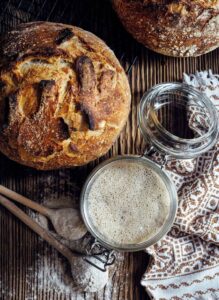
In the decades that followed, the rise of commercial yeast made bread faster but blander. Sourdough faded from the mainstream, sustained only by a few devoted bakers and families who kept their cultures alive. Then, in the late 20th century, a wave of artisan baking rekindled its spirit, restoring the craft and complexity of slow fermentation.
So when the world slowed down again in 2020, that old ritual of feeding a jar of flour and water returned to kitchens everywhere. What began in ancient Egypt continued on modern countertops, binding past and present through patience and care.
The Starters That Outlived Empires
A sourdough starter isn’t just a recipe; it’s a living inheritance. Some are decades or even centuries old, passed down through families, bakeries, and communities. Each one carries a unique microbiome shaped by its environment: the air, the flour, the hands that feed it. That’s why a starter from San Francisco tastes different from one in Kyoto or Bangalore. Every bubble tells a story of place and time.
Keeping a starter alive demands attention. It needs regular feeding, warmth, and consistency. In return, it rewards the baker with loaves that are unpredictable yet deeply personal. This daily ritual becomes an act of quiet companionship, a moment to nurture something that, in its own microbial way, depends on you.
The Bond Between Baker and Starter
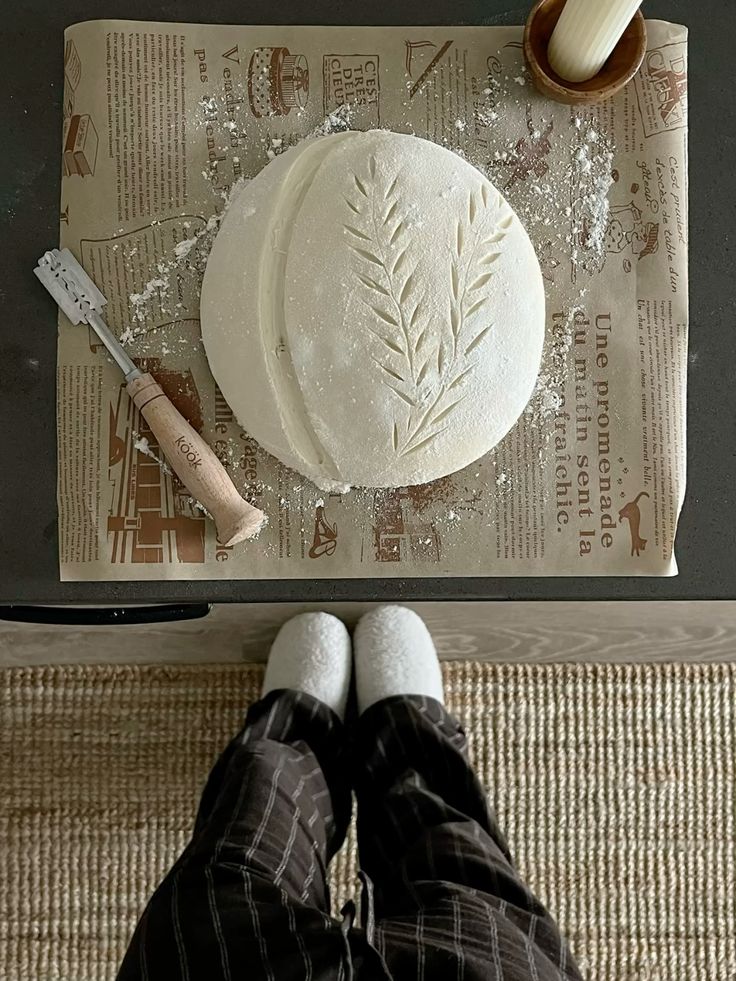
Ask anyone who keeps a starter and they’ll tell you it starts to feel like a pet. There’s worry when it looks sluggish, pride when it’s thriving, and genuine affection when it rises strong and fragrant. Bakers speak to their starters, watch their moods, and learn their quirks. Some even carry them along on travels, unwilling to part ways for too long.
The bond comes from care and constancy. You feed it, you wait, you learn patience. You witness growth that’s invisible yet profound, the slow rhythm of fermentation mirroring the rhythm of life itself. Over time, that connection deepens into something tender, something that makes bakers attentive, grounded, and connected to a lineage that spans millennia.
The Soul of the Starter
In an age defined by speed and convenience, the sourdough starter stands in gentle rebellion. It asks for patience. It rewards consistency. And in return, it offers something timeless: nourishment, history, and life itself.
It may not fetch a stick or curl on your lap, but it lives and breathes just the same. A jar of flour and water, sustained by invisible life, linking us to ancient kitchens and future loaves.
Because in the end, every loaf of sourdough isn’t simply baked, it’s raised.