Soul Cakes :
The Forgotten Treat of Halloween
A Knock at the Door, Centuries Ago
If you go trick-or-treating this Halloween, you may carry home a bag full of sweets. But centuries ago, lantern in hand and autumn chill in the air, you would have received a “soul cake” — a humble spiced biscuit offered in return for whispered prayers for the departed, easing the souls believed to linger in purgatory.
Today, Halloween means costumes, carved pumpkins, playful scares, and plenty of sugary treats. But centuries ago, the tradition held a deeper spiritual meaning. Before chocolate bars and candy buckets, the most meaningful offering of the season was the soul cake, a simple spiced biscuit given not for a trick, but for a prayer.
In the Hearth Where Souls Were Fed
Soul cakes come from the ancient Christian festival of Allhallowtide, a three-day observance dedicated to honoring the dead. It begins on All Hallows’ Eve (31 October), continues through All Saints’ Day (1 November), and concludes on All Souls’ Day (2 November). This period was a time to remember departed loved ones and offer prayers for their souls.
During the Middle Ages, people believed that prayers from the living could help the dead transition from purgatory to heaven. To support this belief, families would bake batches of soul cakes and give them to the poor, especially children, who would go door-to-door praying for the souls of the household in return. The act, known as souling, created a bond between rich and poor, living and dead, generosity and gratitude. Each cake taken symbolized a soul lifted by prayer.

But the tradition did not emerge from Christianity alone. It blended with older Celtic customs from Samhain, a pagan festival marking the end of harvest and the time when spirits were believed to return to the world of the living. Food offerings to wandering souls were common. Christianity reshaped these rituals into charitable acts and prayers, and thus the soul cake became a sacred symbol of remembrance and community.
Little Cakes with Big Souls
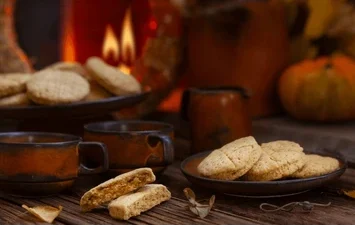
Soul cakes were simple yet meaningful. They were usually round, marked with a cross, and flavored with warming spices like cinnamon, nutmeg, and ginger — sometimes studded with raisins or currants. Their fragrance filled homes with comfort, and their purpose filled hearts with compassion.
Souling children often sang a traditional rhyme at the door:
“A soul, a soul, a soul cake,
Please good lady, a soul cake,
One for Peter, one for Paul,
And one for Him who saved us all.”
It was not the candy-driven chant of today, but a gentle reminder that each small cake carried a spiritual promise.
From Prayer to Play
With the Reformation and changing religious beliefs, the soul-cake custom began to fade. Yet the idea of visiting homes for seasonal treats survived — first through guising and mumming, then later evolving into our modern-day trick-or-treating. Though prayers gave way to playful threats of tricks and cakes were replaced by chocolates, the core idea of shared hospitality endured.
A’ Soalin’
While soul cakes may no longer be handed out on doorsteps, their legacy remains baked into Halloween traditions. They remind us that this season once centred not on fright but on memory, kindness, community, and hope for souls beyond our world. Whether celebrated with prayers, lanterns, or simply warm food shared with loved ones, Halloween has always been a time when the living pause to remember the dead — and in doing so, strengthen the ties that hold us all together. Happy Halloween.